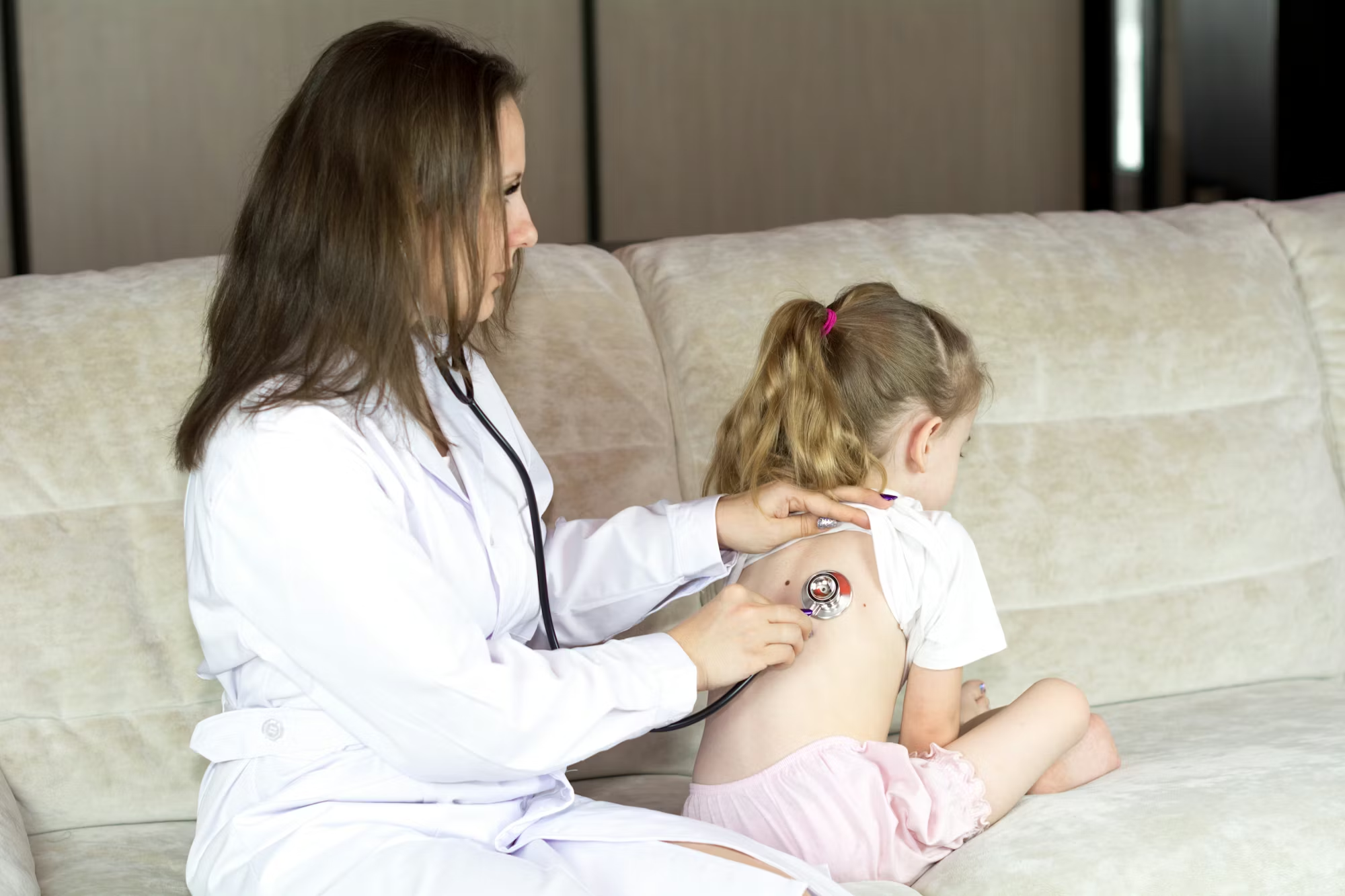
Women’s health clinics are dedicated spaces that cater specifically to the healthcare needs of women, offering a wide range of services designed to promote physical, emotional, and reproductive health. These clinics play a vital role in empowering women to take control of their health and well-being throughout different stages of life. This article will explore the various services provided by women’s health clinics, the importance of accessible care, and how these clinics support women’s health in the community.
At the core of women’s health clinics is the commitment to providing comprehensive healthcare tailored to women’s unique needs. From adolescence through menopause and beyond, women experience a variety of health changes that require specialized attention. Women’s health clinics address these needs by offering services that include routine check-ups, reproductive health services, prenatal care, and menopause management.
One of the primary services offered at women’s health clinics is gynecological care. Regular gynecological exams are essential for monitoring reproductive health and detecting any potential issues early on. These exams typically include pelvic examinations, Pap smears, and breast exams, which help screen for conditions such as cervical cancer and breast abnormalities. By prioritizing regular check-ups, women’s health clinics contribute to early detection and intervention, ultimately improving health outcomes.
In addition to routine exams, women’s health clinics provide essential reproductive health services, including family planning and contraceptive counseling. These services empower women to make informed choices about their reproductive health and family planning options. Clinics often offer a variety of contraceptive methods, along with education about their use and effectiveness. This focus on reproductive autonomy allows women to take charge of their health decisions, promoting overall well-being.
Prenatal and postnatal care are crucial services offered by women’s health clinics for expectant mothers. Comprehensive prenatal care ensures that women receive the medical support and education needed during pregnancy, promoting healthy outcomes for both mothers and babies. Services may include regular check-ups, ultrasounds, nutrition counseling, and screenings for gestational diabetes. After childbirth, postnatal care is essential for monitoring recovery and addressing any concerns related to breastfeeding or infant care. By providing continuous support throughout the perinatal period, women’s health clinics play a significant role in maternal and infant health.
Menopause management is another important area of focus for women’s health clinics. Many women experience a range of symptoms during menopause, including hot flashes, mood changes, and sleep disturbances. Women’s health clinics offer guidance on managing these symptoms, providing options such as hormone replacement therapy, lifestyle modifications, and alternative treatments. By addressing menopause-related concerns, clinics help women navigate this transition with confidence and support.
Mental health is a crucial aspect of women’s health, and many clinics recognize the importance of addressing emotional well-being. Women’s health clinics often provide access to mental health professionals who specialize in women’s issues. Services may include counseling, support groups, and resources for managing anxiety, depression, or stress. By promoting mental health awareness, clinics contribute to holistic care that addresses both physical and emotional needs.
Access to education and preventive services is another critical element of women’s health clinics. Many clinics offer workshops, seminars, and educational materials on topics such as nutrition, exercise, and healthy lifestyle choices. By empowering women with knowledge, these clinics encourage proactive health management and informed decision-making. Education plays a vital role in helping women understand their bodies, recognize potential health issues, and seek appropriate care when needed.
Community outreach is also an essential aspect of women’s health clinics. Many clinics engage in initiatives aimed at raising awareness about women’s health issues within the community. This may include free health screenings, informational sessions, and partnerships with local organizations. By reaching out to underserved populations, women’s health clinics help ensure that all women have access to the care and resources they need.
The supportive environment of women’s health clinics fosters trust and open communication between patients and healthcare providers. Women often feel more comfortable discussing sensitive health concerns with providers who specialize in women’s health. This comfort level can lead to more thorough discussions about health history, lifestyle choices, and any concerns patients may have. A collaborative approach to care allows for personalized treatment plans that align with each woman’s unique needs.
As technology continues to evolve, women’s health clinics are incorporating innovative tools and practices to enhance patient care. Telehealth services have become increasingly popular, allowing women to access care from the comfort of their homes. This convenience can be especially beneficial for those with busy schedules or mobility challenges. Additionally, clinics are utilizing digital health tools to monitor patients’ progress and provide education, further promoting proactive health management.
In conclusion, women’s health clinics play a vital role in addressing the unique healthcare needs of women throughout their lives. By providing comprehensive services that range from gynecological care to mental health support, these clinics empower women to take control of their health and well-being. The commitment to education, preventive care, and community outreach ensures that all women have access to the resources they need to thrive. As we continue to recognize the importance of specialized healthcare for women, these clinics will remain essential in promoting health, wellness, and empowerment in our communities.